
Indigenous Systems Across Landscapes
Indigenous systems emerge through long-term relationships between communities and the ecological landscapes they inhabit and steward. Conditions including rainfall patterns, soil conditions, seasonal cycles, and native vegetation shape how communities move, interact with resources, and organize governance. Humanculture documents these relationships across more than five distinct ecological zones, each defined by different climate conditions and each home to knowledge systems developed through generations of lived interaction with land and environment.
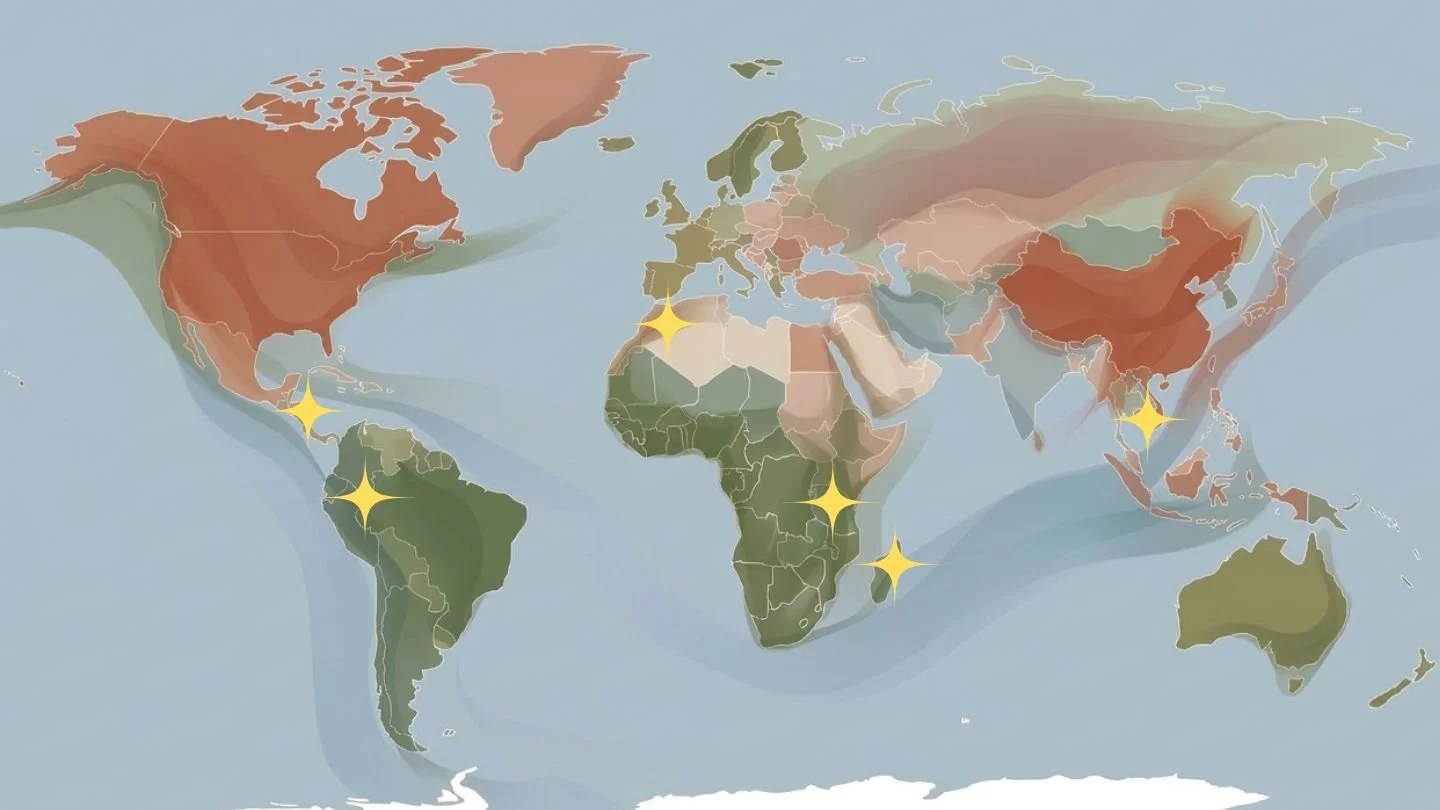
The landscapes documented span four continents and six ecological zones.
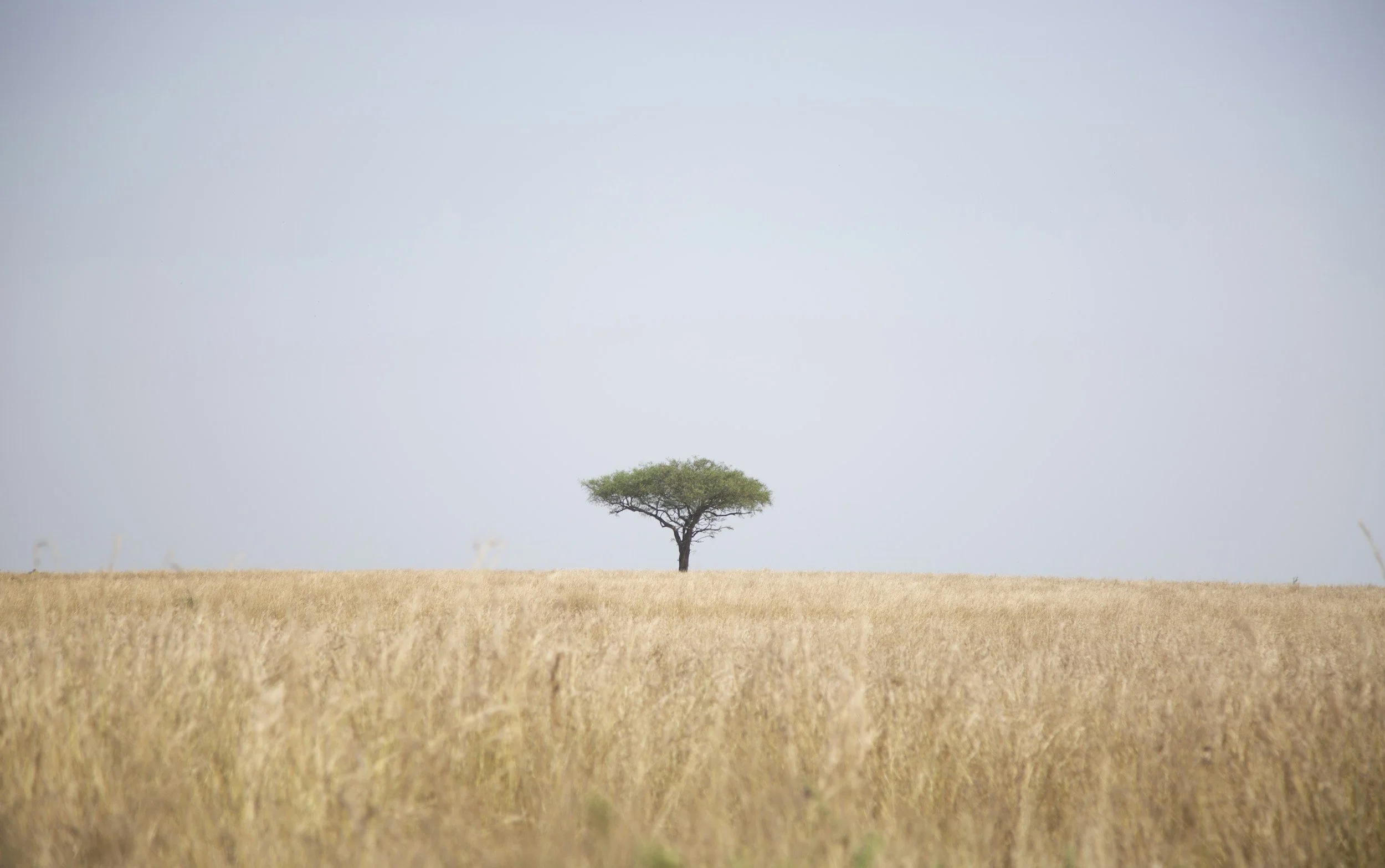
Savannah Rangelands Tanzania
The East African savannah is shaped by seasonal rainfall variability, open grasslands, and the movement of both wild and domesticated animals across wide rangelands.
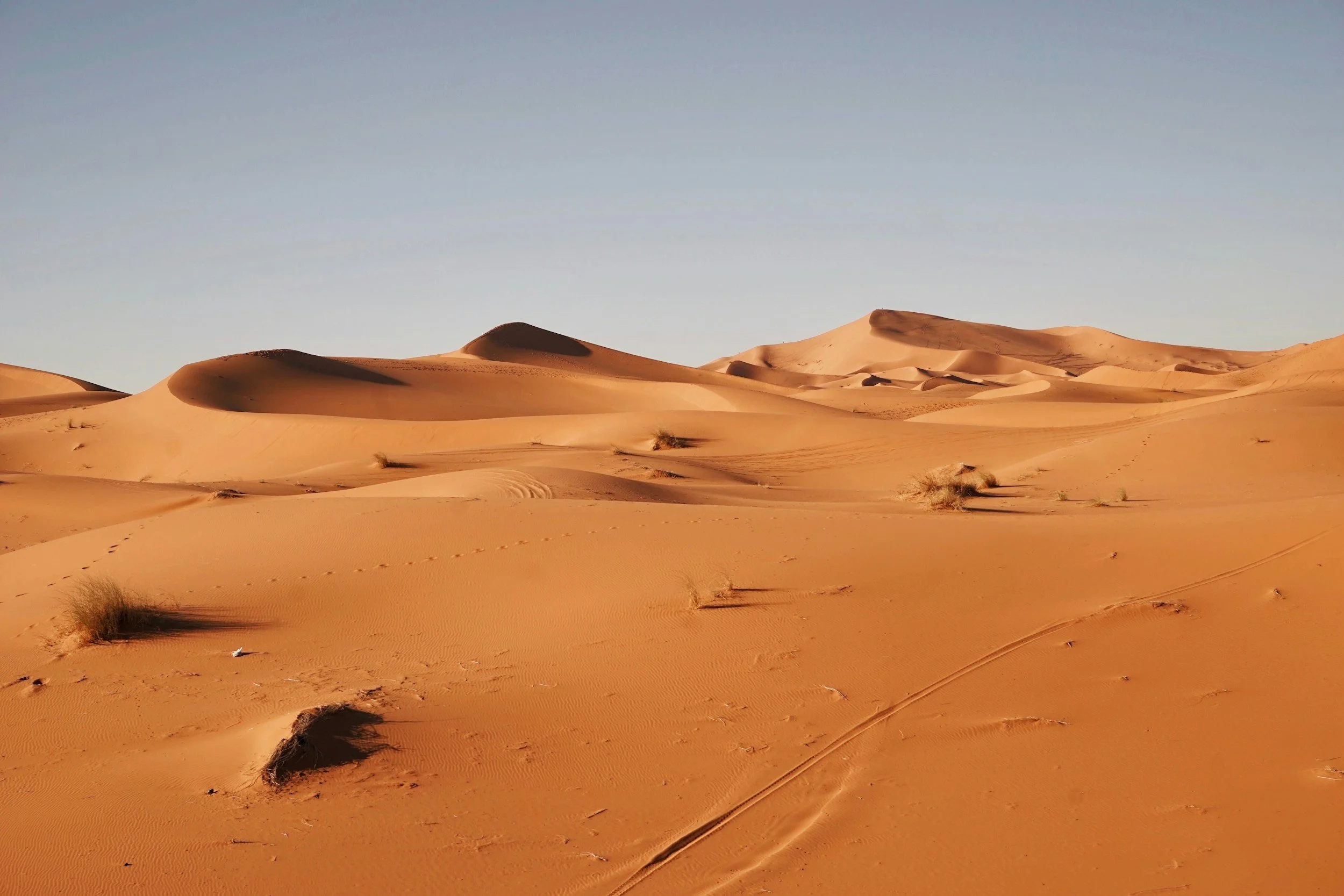
Sahara Desert Systems Morocco
The Saharan and pre-Saharan landscapes of Morocco are defined by extreme aridity, scarce and unpredictable rainfall, and high seasonal temperature variation.
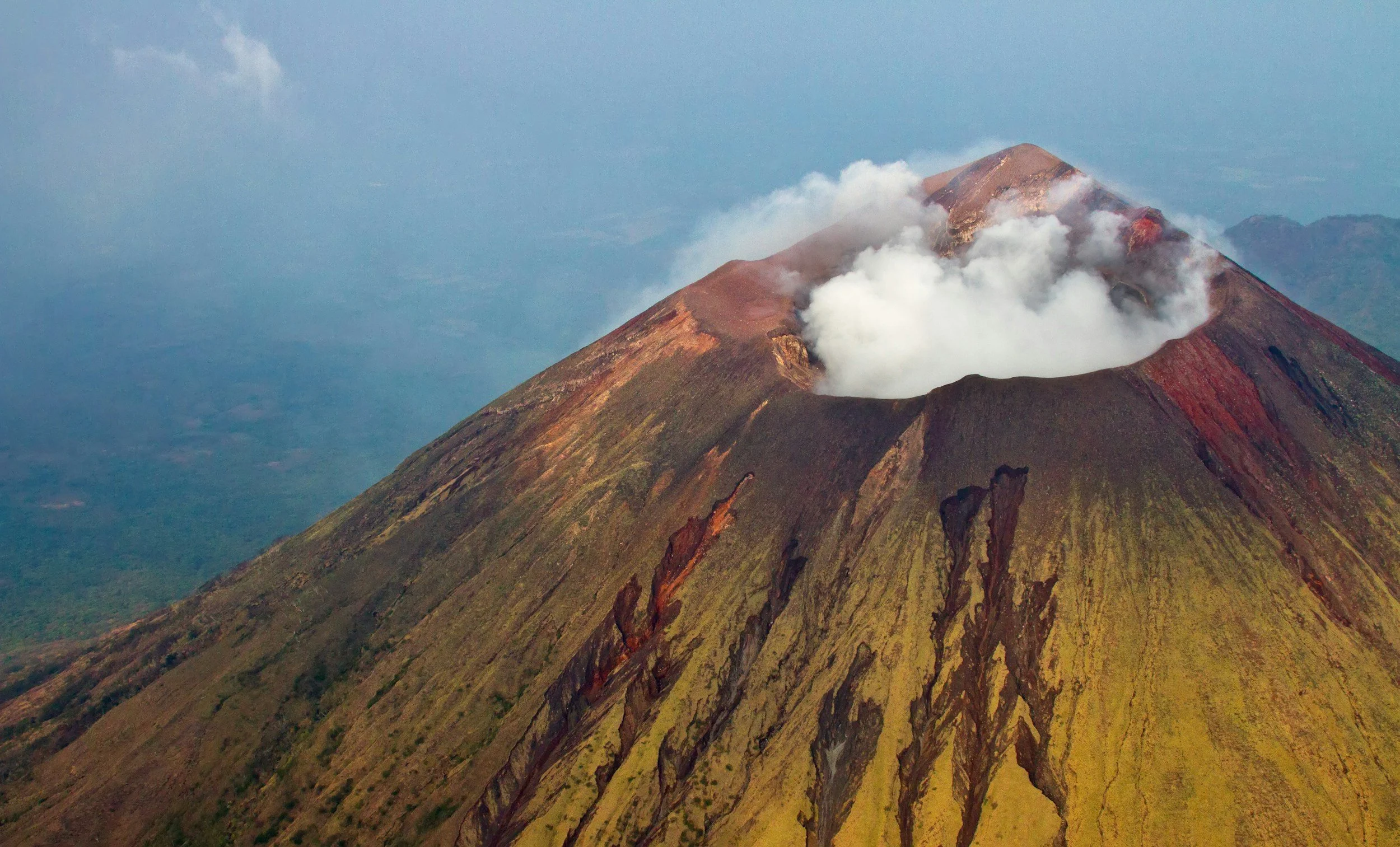
Volcanic Highlands Nicaragua
The volcanic highlands of Nicaragua are shaped by fertile soils of volcanic origin, distinct wet and dry seasons, and landscapes that have supported cultivation for millennia
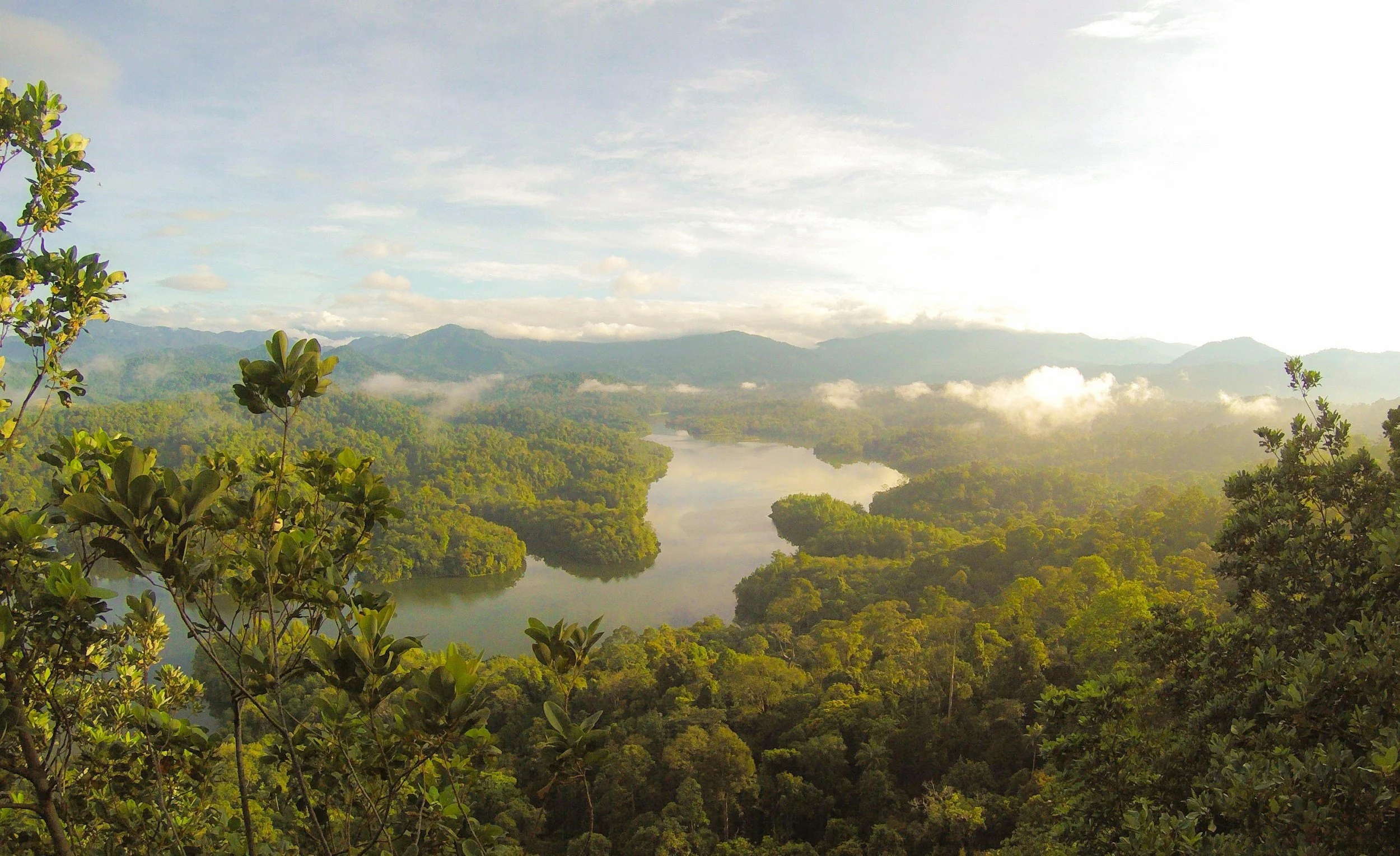
Amazon Rainforest Systems Peru
SHIPIBO
The Peruvian Amazon is defined by high rainfall, dense forest cover, river systems that shape movement and settlement, and extraordinary biological diversity.
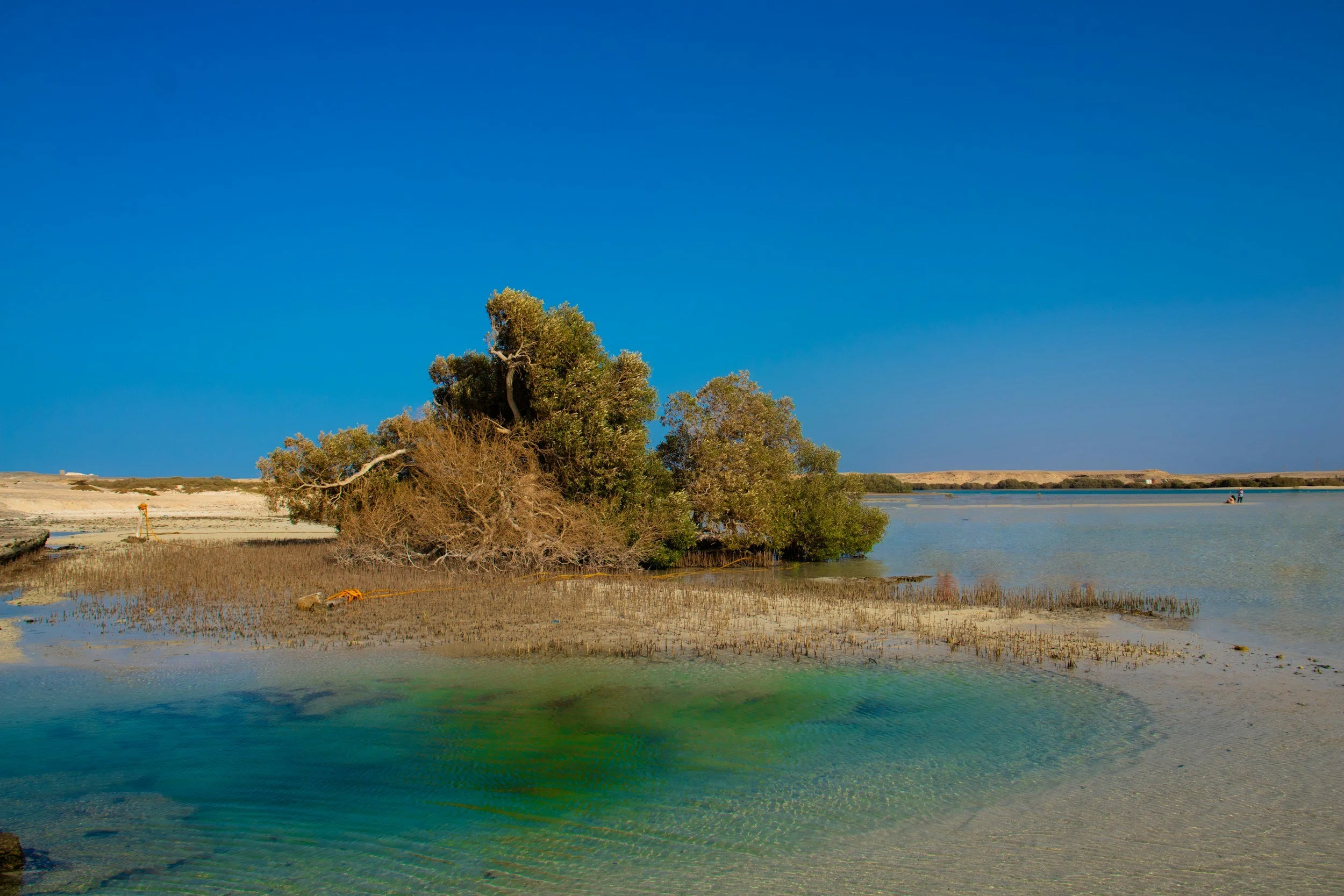
Coastal Mangrove Systems Madagascar
Madagascar’s coastal mangrove landscapes are among the most ecologically distinct on earth, shaped by the interaction of land and sea, tidal rhythms, and ecosystems found nowhere else.
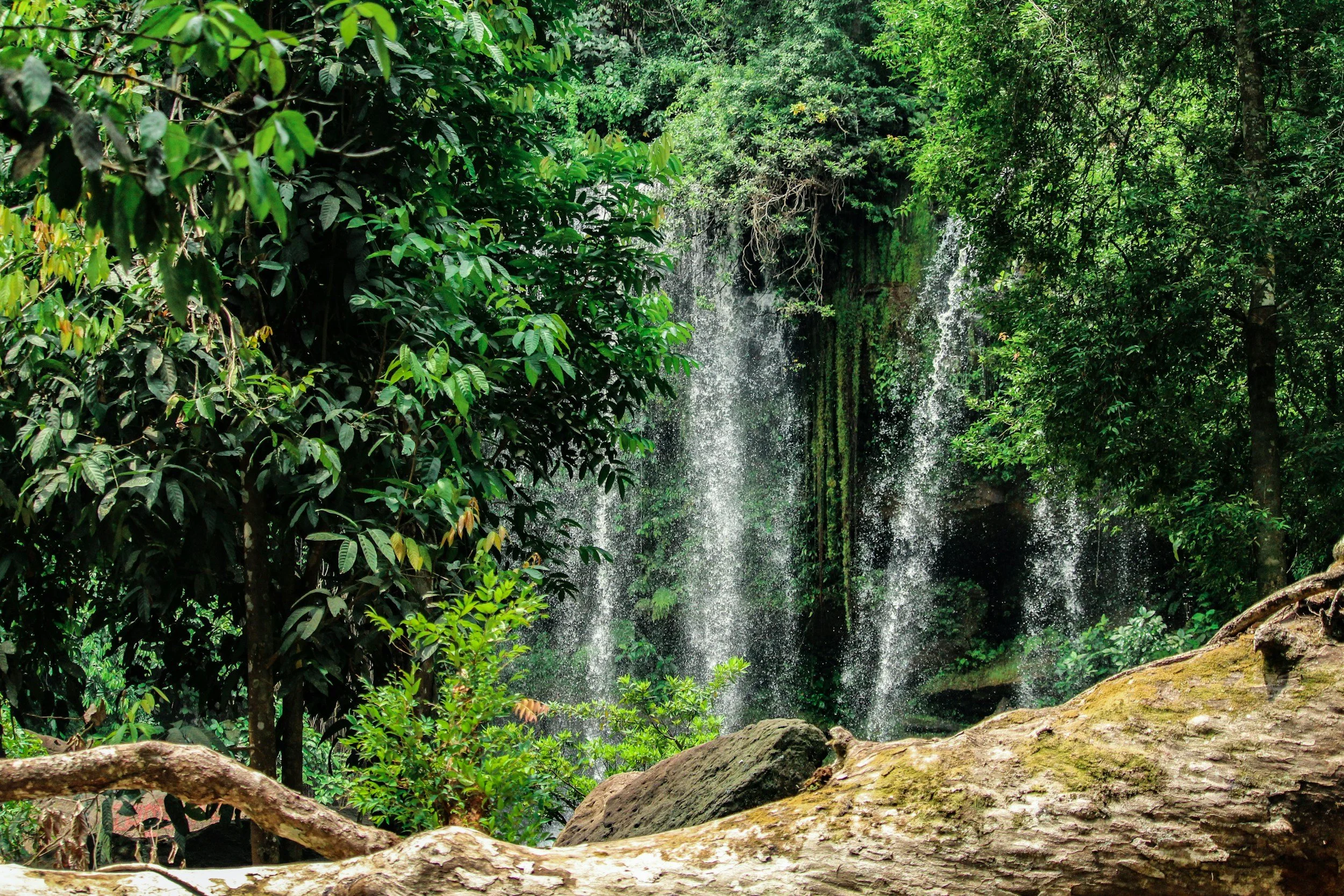
Floodplain Seasonal Forest Cambodia
Banteay Seri IPLC
The Tonlé Sap basin is shaped by monsoon rainfall, seasonal flooding, lowland wetlands, and the annual expansion and retreat of floodplain water across forests and agricultural lands.