
Intangible Cultural Heritage
Intangible cultural heritage (ICH) refers to the living cultural practices, knowledge systems, and traditions that communities maintain and transmit across generations. These include oral traditions, social practices, ecological knowledge, craftsmanship, ceremonies, and other cultural expressions that shape how societies understand and interact with the world around them.
The concept of intangible cultural heritage is recognized internationally through the Convention for the Safeguarding of the Intangible Cultural Heritage, which identifies key domains through which living cultural traditions are expressed and sustained.
Within Indigenous societies, these practices are not separate categories but interconnected dimensions of broader Indigenous systems of life. Cultural knowledge, social practices, ecological understanding, and material traditions operate together as integrated systems through which communities maintain relationships with land, knowledge, livelihoods, and one another.
The sections below outline the primary domains through which intangible cultural heritage is commonly organized in international heritage frameworks, followed by examples of cultural systems documented through Humanculture’s field partnerships and research initiatives.
This page presents selected work and related information drawn from field-based research, community collaboration, and safeguarding activities concerning Indigenous intangible cultural heritage across oral traditions, social practices, ecological knowledge, and traditional craftsmanship.
Selected Indigenous Cultural Heritage Documented
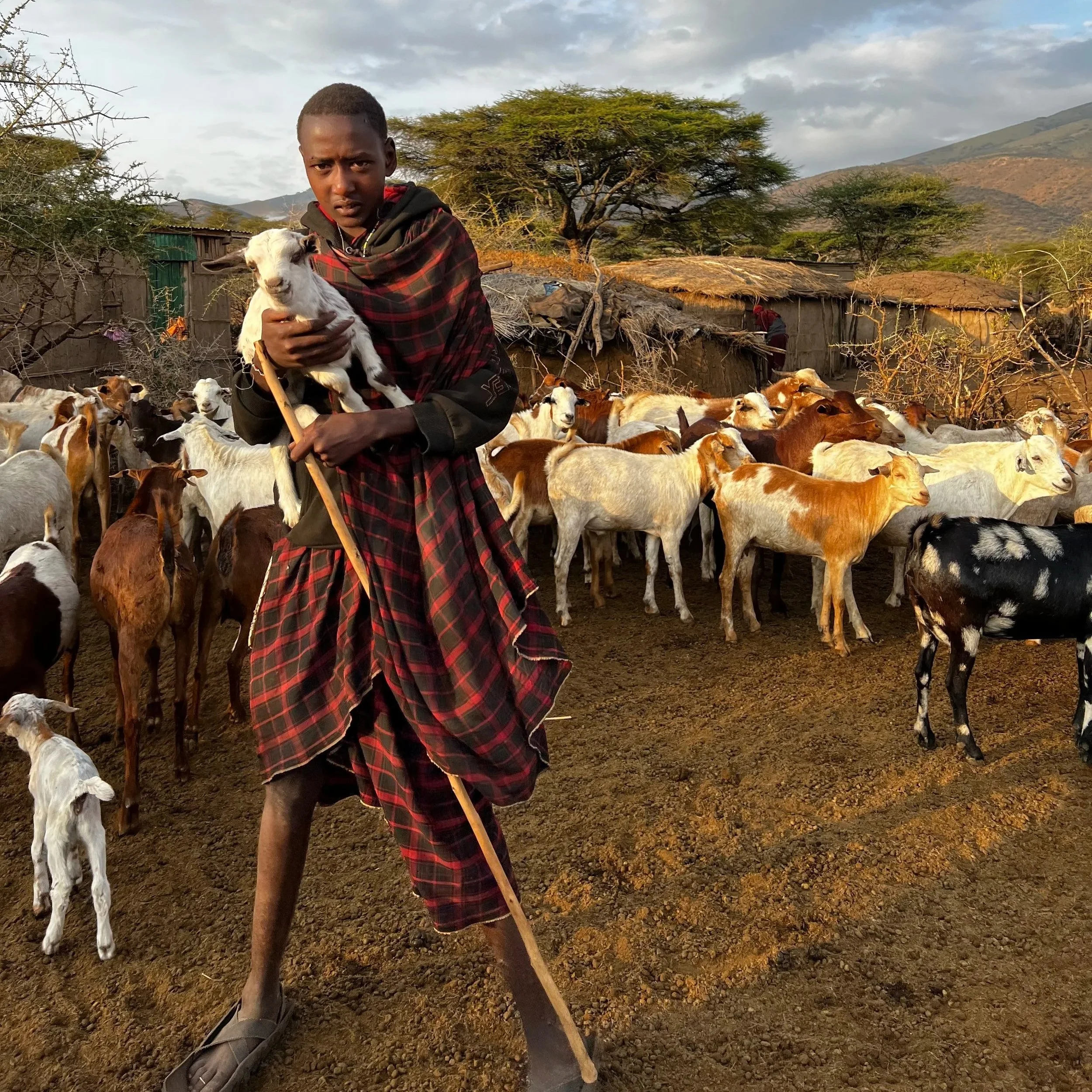
MAASAI
Pastoral Indigenous society of Ngorongoro, Tanzania
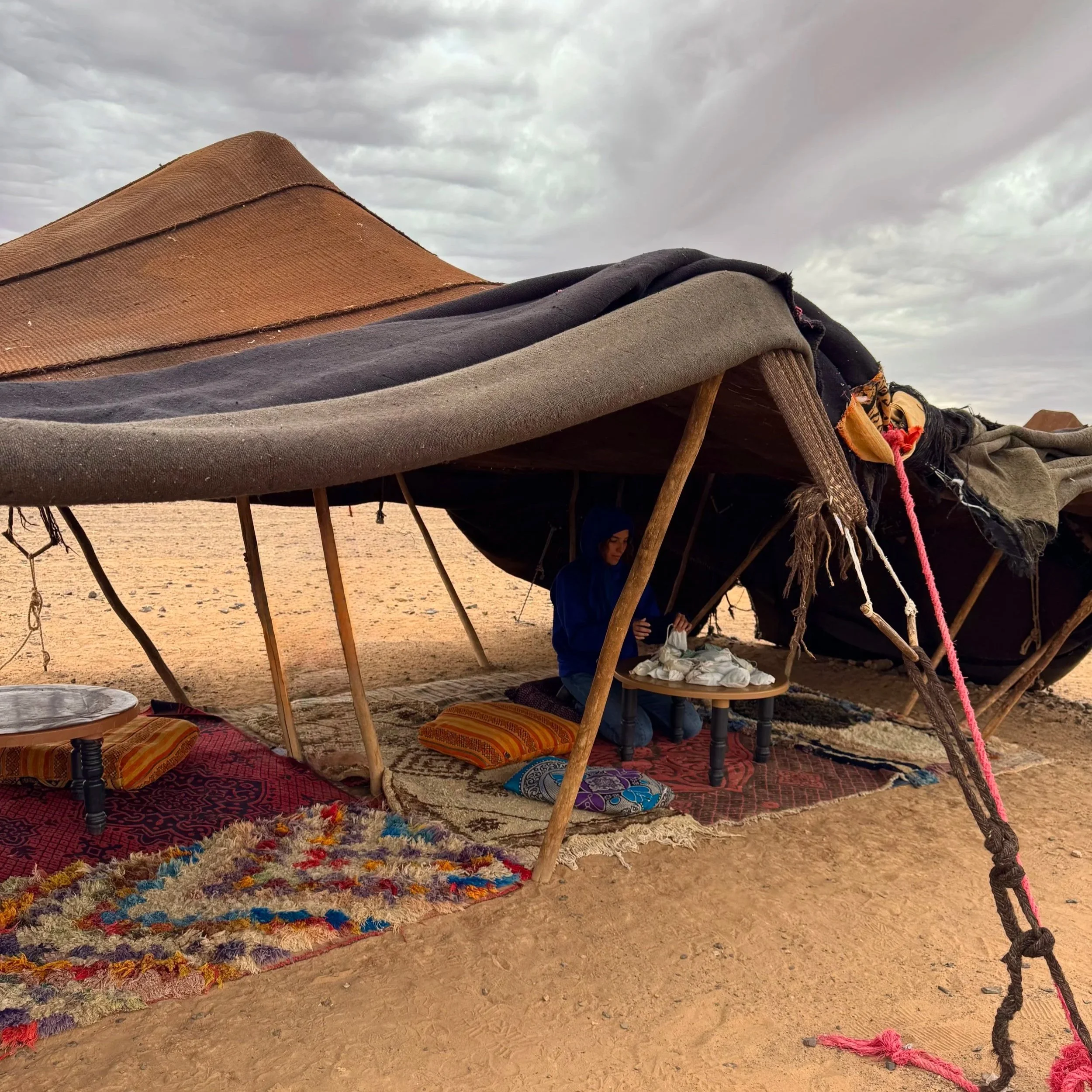
AMAZIGH
Nomadic Indigenous society of the Sahara region, Morocco
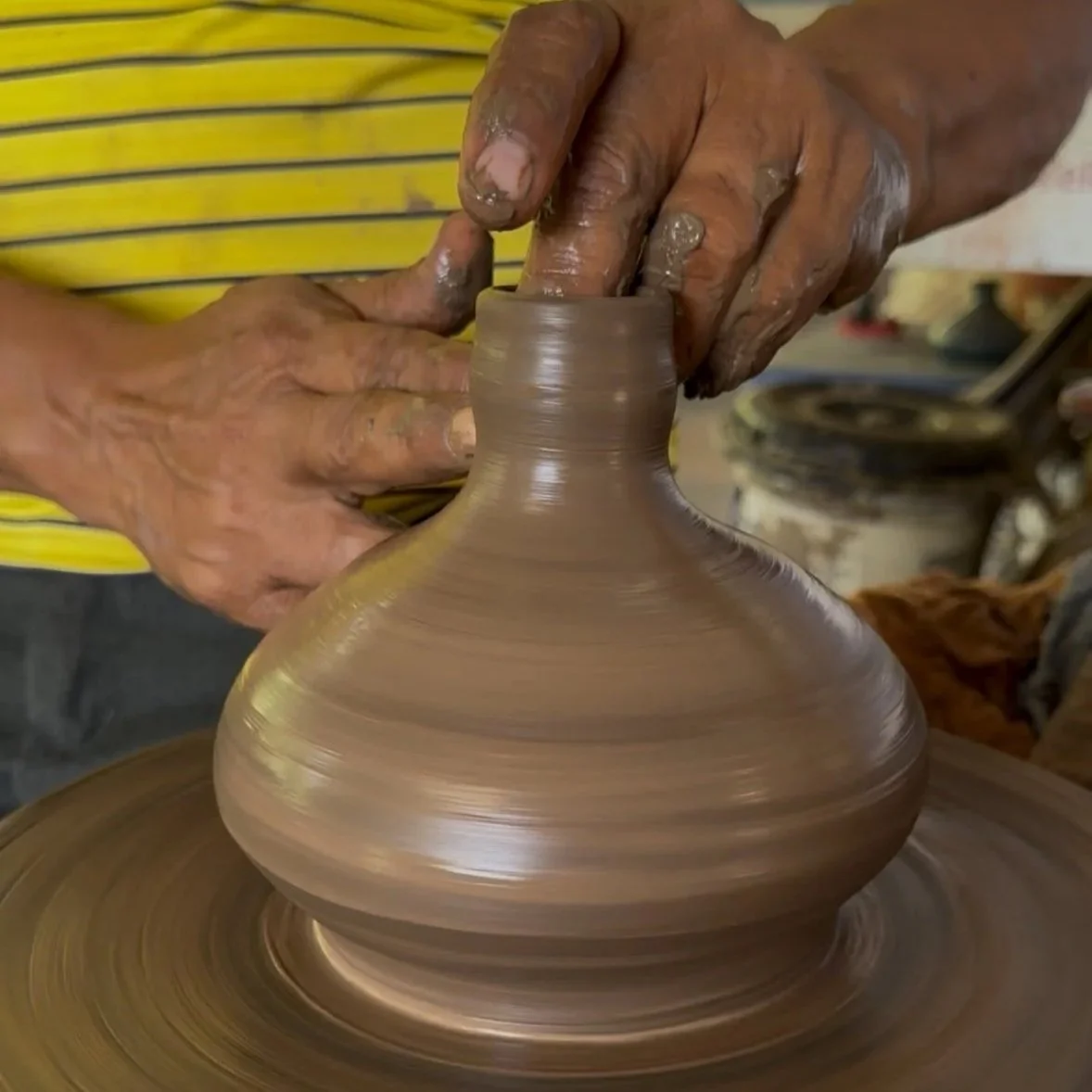
CHOROTEGA
Artisan Indigenous society of the Masaya region, Nicaragua
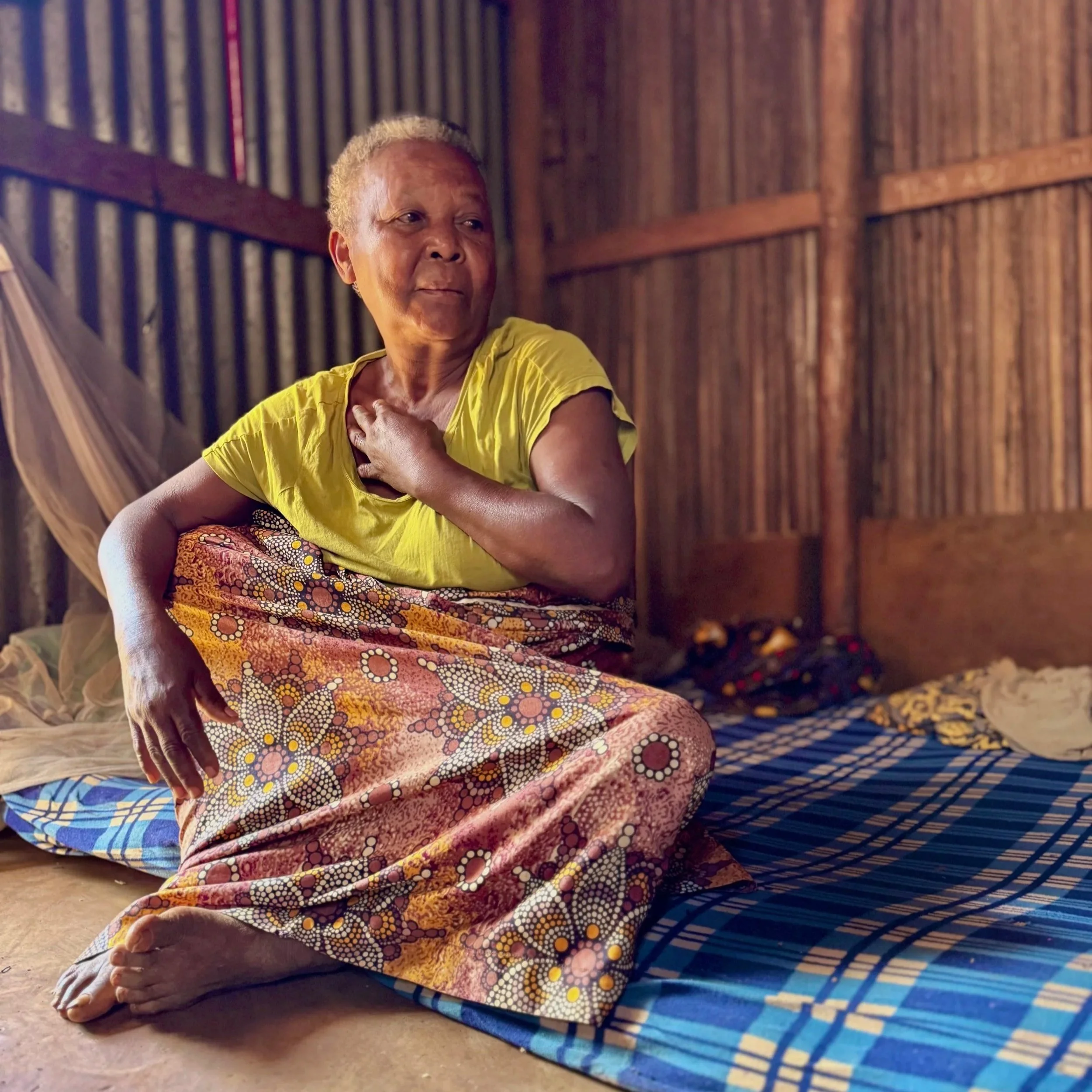
MALAGASY IPLC
Indigenous societies of Northern Madagascar
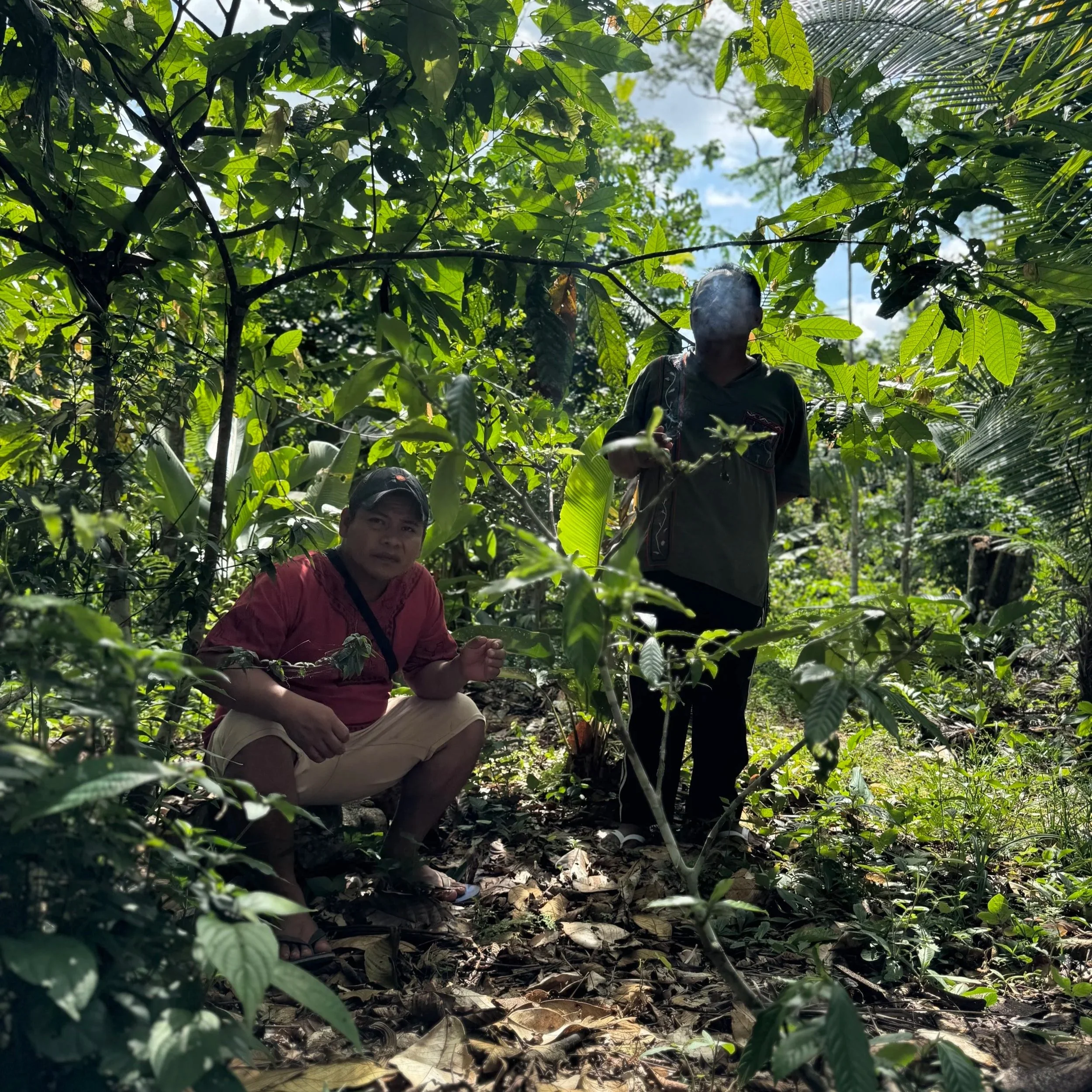
SHIPIBO
Indigenous society of the Amazonas region, Peru
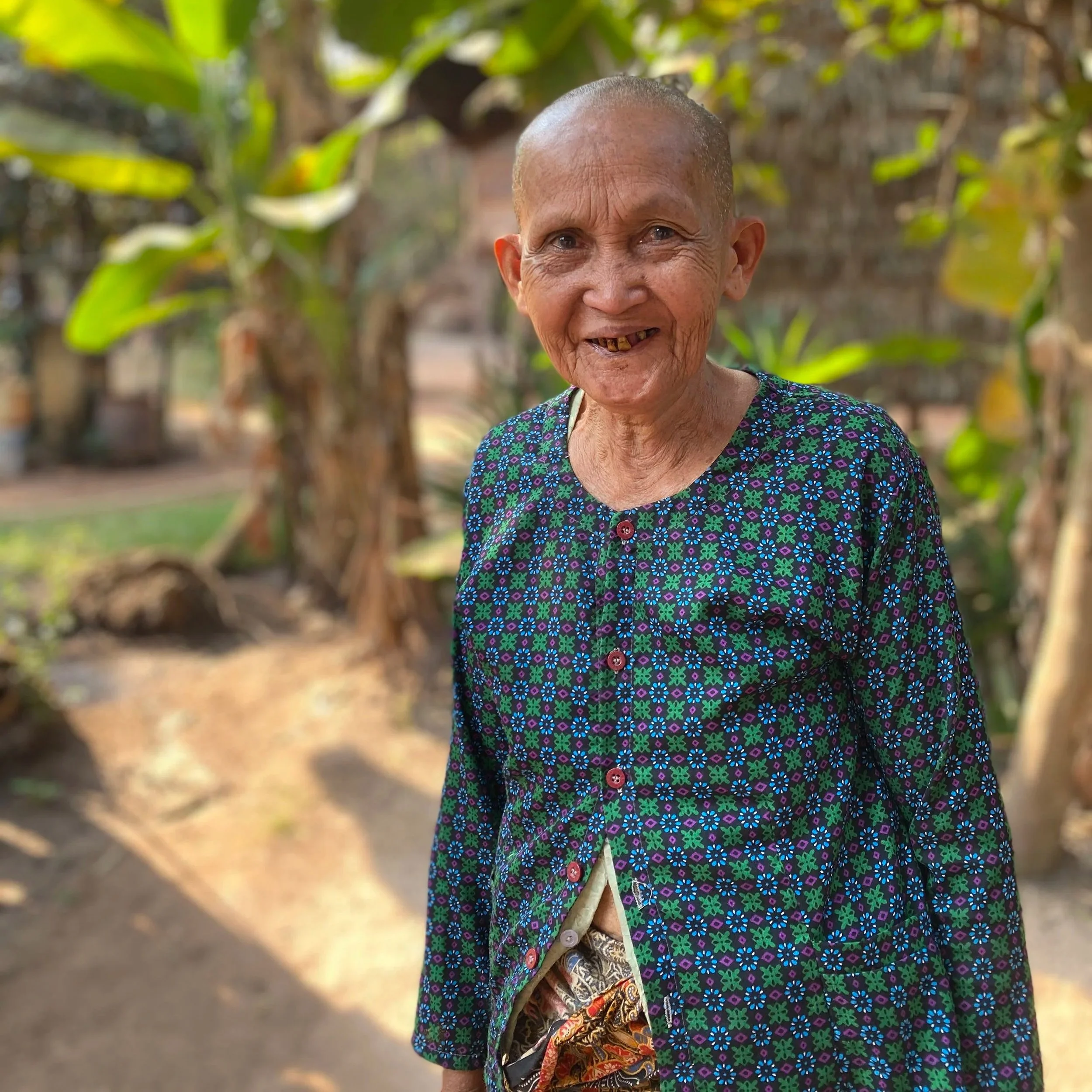
Banteay Seri IPLC
Indigenous societies of the Angkor region, Cambodia
Safeguarding Approach
Humanculture’s work focuses on supporting Indigenous peoples and societies in the documentation, continuity, and transmission of living cultural practices. These efforts are undertaken through long-term field partnerships, collaborative documentation, and participation in international research and governance discussions.
Safeguarding activities include documentation of oral traditions, cultural practices, ecological knowledge, craftsmanship traditions, and ceremonial life through field observation, interviews with elders and practitioners, and collaborative research. This documentation supports the recognition of Indigenous knowledge and cultural systems within international institutional discussions related to biodiversity, climate adaptation, land stewardship, and Indigenous Knowledge Systems.
These efforts are conducted in partnership with Indigenous peoples and societies and with the approval of the knowledge holders involved. The purpose of this work is not to extract or redefine Indigenous knowledge systems, but to support their documentation and visibility within global research and governance contexts when Indigenous partners wish to share them.
Knowledge documented through these efforts remains held and stewarded by the Indigenous knowledge holders and societies themselves. Humanculture’s role is to assist in organizing, documenting, and presenting this knowledge in ways that respect knowledge sovereignty, proper attribution, and the cultural responsibilities associated with its transmission.
Intergenerational Transmission
A central focus of this work is the documentation and support of intergenerational knowledge transmission. Indigenous cultural practices are sustained through the ongoing relationships between elders, practitioners, families, and younger generations who continue to learn and carry these traditions forward. Humanculture’s documentation efforts aim to record and support these processes of transmission by working with knowledge holders, cultural practitioners, and community members to document practices, stories, ecological knowledge, and craftsmanship traditions that continue to be taught and practiced across generations.
Indigenous Stewardship
Indigenous cultural heritage continues to be sustained by the knowledge holders and societies who carry these traditions forward. The work presented here supports the documentation and visibility of these living systems while recognizing that their knowledge remains held and stewarded by Indigenous peoples themselves.
Intangible Cultural Heritage Safeguarding Domains
These domains reflect the diverse ways in which Indigenous knowledge, practices, and cultural traditions are transmitted across generations and sustained within living societies. The Convention identifies five primary domains through which intangible cultural heritage is commonly organized: