
About the Indigenous Systems platform
Indigenous Systems is a documentation and research platform created through Humanculture™, an Indigenous-led international nonprofit organization. It presents field documentation, research, and institutional contributions related to Indigenous governance, knowledge, and practice across diverse ecological contexts. The platform exists to document and share living Indigenous systems and to support their presence within research and international institutional contexts. The framework and documentation presented on this platform are developed through the work of Stephanie Zabriskie in support of Indigenous-led knowledge documentation and presentation through Humanculture. ORCID: 0009-0000-9273-1529
Institutional Engagement and Global Platforms
Humanculture documents Indigenous systems, cultural heritage, and knowledge governance across diverse ecological regions. Through field documentation and research, this work examines how Indigenous systems organize relationships among land, knowledge, livelihoods, culture, and climate, and how these systems contribute to broader discussions on environmental stewardship, resilience, and governance.
To provide a dedicated space for this work, Humanculture developed the Indigenous Systems platform, which presents field documentation, conceptual frameworks, and contributions to international research and governance processes.
Humanculture also contributes to United Nations and other international platforms through ongoing knowledge submissions and applied field documentation that connect community-governed systems with global policy processes.
The organization maintains active membership, participation, and institutional profiles on:
Food and Agriculture Organization of the United Nations
Intergovernmental Science-Policy Platform on Biodiversity and Ecosystem Services
United Nations Office for Disaster Risk Reduction
International Council on Monuments and Sites
and participates as a registered IPLC member of International Indigenous Forum on Biodiversity and Ecosystem Services.
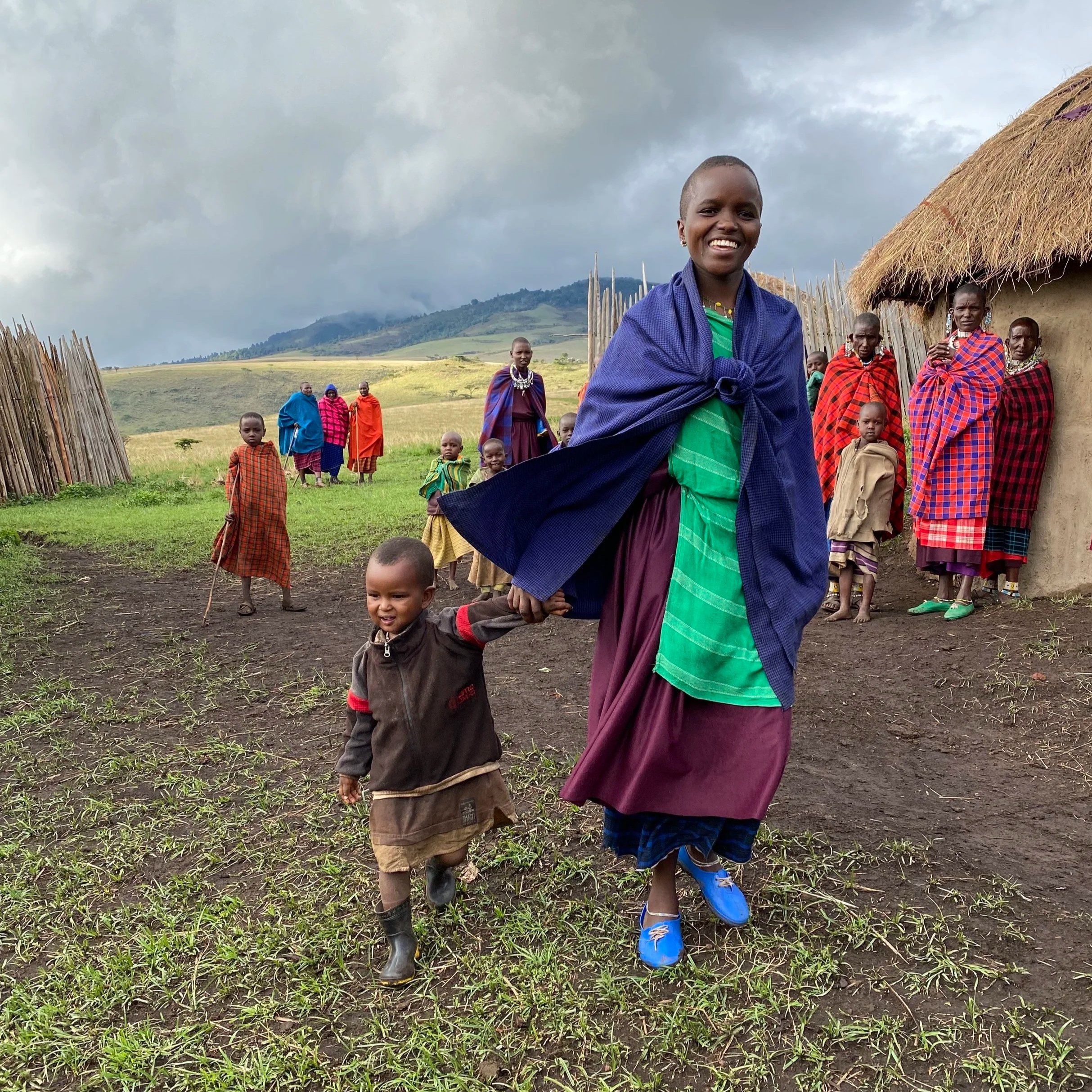
Humanculture
The work presented on this platform emerges through initiatives conducted through Humanculture, an Indigenous-led global nonprofit organization engaged in documenting Indigenous systems and supporting community-based initiatives across multiple regions.
Humanculture works with globally with Indigenous peoples and societies on projects related to water access, ecological stewardship, cultural continuity, sustainable livelihoods, health and education access, climate resilience, and knowledge documentation.